 TechThrum
 TT TechThrum
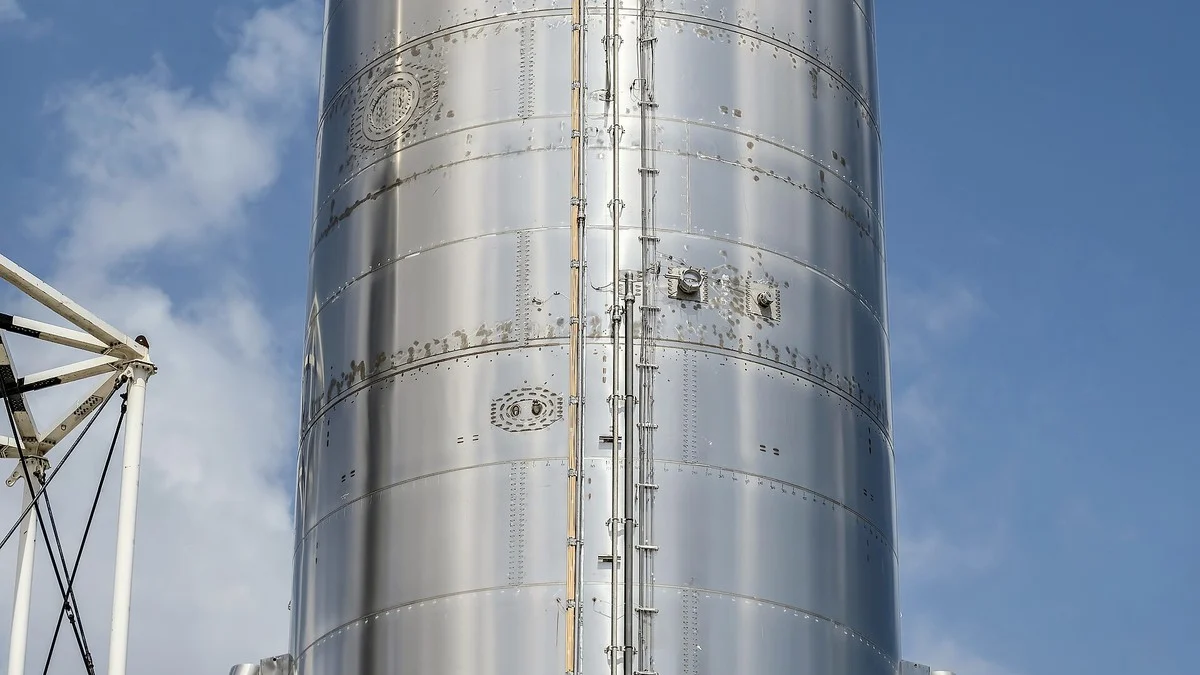
SpaceX has caught a spacecraft returning from orbit, plucking its giant Starship out of the sky with the mechanical arms of its launch tower. The catch, completed on Saturday at the company’s Starbase site in Texas, is the first time an orbital rocket’s upper stage has come home to its launch site and been caught in midair.
The spacecraft, known as Ship 42, had spent more than 22 hours in space. It launched on Friday on Starship’s 15th test flight, circled Earth 14 times and released 26 Starlink satellites into orbit before turning for home, as reported by AAP.
The return looked simple from the ground and was anything but. Starship fell out of thick cloud over Starbase, fired its engines to flip itself upright and slowly dropped between the tower’s two arms, nicknamed chopsticks, which closed around it. The ship shut down its engines and hung still, a few hundred feet above the ground, charred from the heat of re-entry.
The catch matters because it is the missing piece of SpaceX’s plan for a fully reusable rocket. Both stages of Starship are meant to fly, land and fly again, with turnarounds closer to an aeroplane than a rocket. Recovering the ship at the tower means it can be inspected, refuelled and flown again without being fished out of the sea.
Not everything went to plan. The Super Heavy booster, the rocket’s lower half, failed to make its own return to the tower about ten minutes after liftoff. Its boostback burn ended early, and the booster destroyed itself over the Gulf of Mexico after its steering system reported a fault. SpaceX had caught the booster on its previous three flights.
The setback did not dim the reaction. NASA Administrator Jared Isaacman congratulated Musk and the SpaceX team, calling the catch an almost magical moment. NASA is counting on Starship to carry astronauts to the Moon, so a working recovery system matters to the agency as much as to SpaceX.
SpaceX says the next flight could be the first Starship launch from its rebuilt pad at the Kennedy Space Center in Florida. That would put the rocket on the East Coast for the first time, closer to the launch sites NASA uses for its own Moon missions.
For now, the picture is mixed but the milestone is real. One half of the rocket came home and was caught. The other half did not. SpaceX has spent a decade chasing full reusability, and Saturday showed the idea works in orbit, even if the booster still needs work.
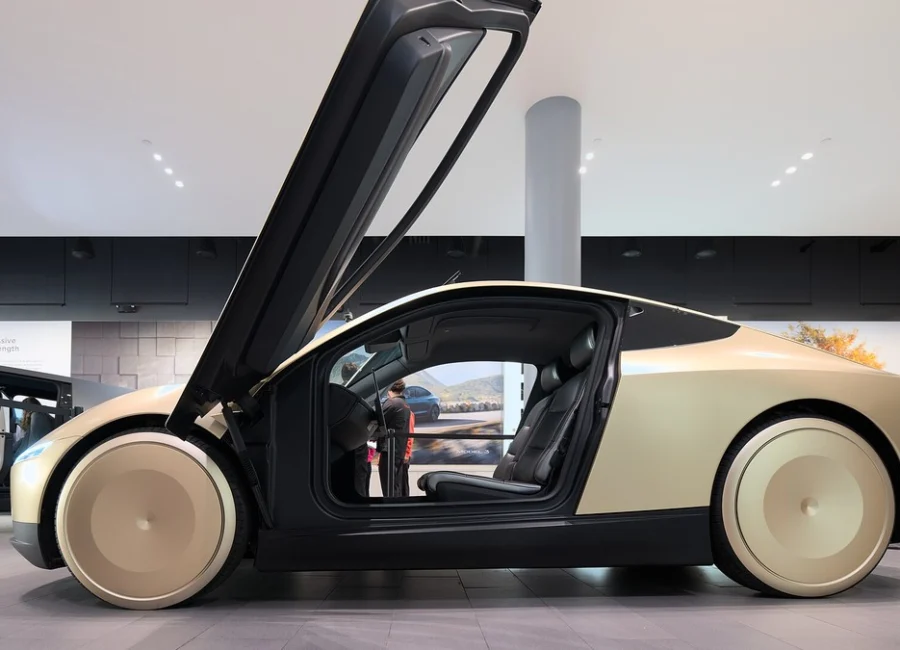
Musk’s other company is testing the limits of automation on the ground too. Tesla has just opened orders for its driverless Cybercab, a car with no steering wheel and no pedals that only drives inside Tesla’s robotaxi zones.
Rockets and cars are very different machines, but both now depend on software deciding what happens next, with a human watching from further and further away.