 TechThrum
 TT TechThrum
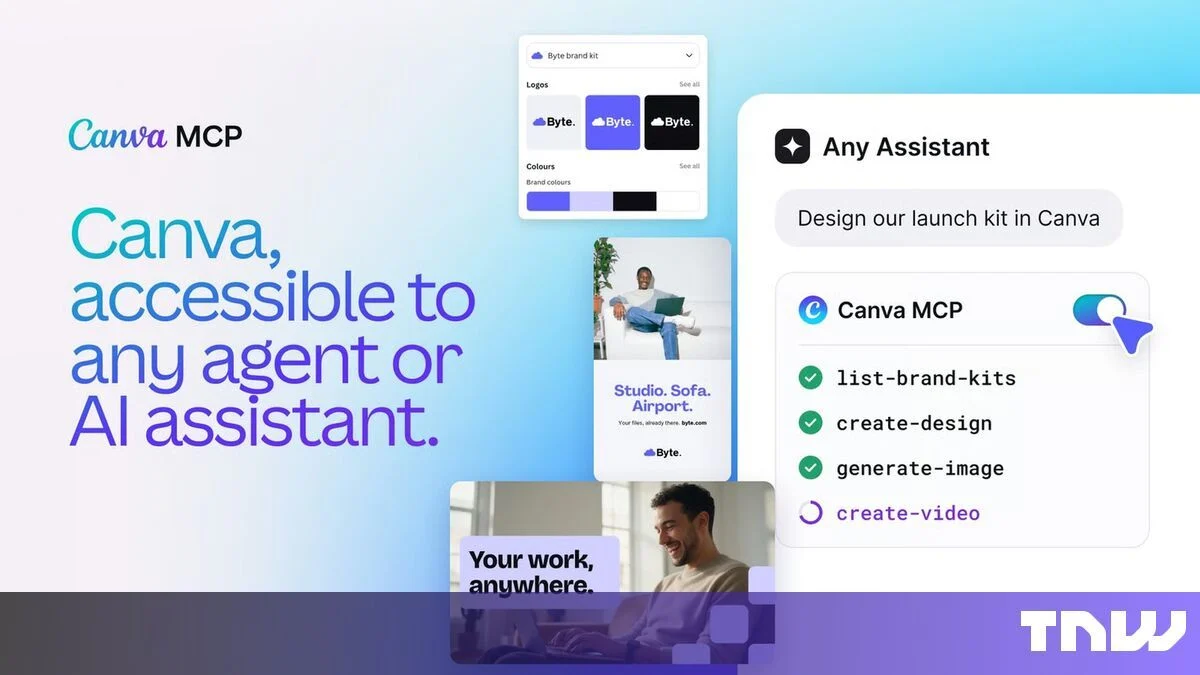
Canva has opened its design tools to every AI agent and developer, making its Model Context Protocol (MCP) server generally available with no waitlist. The company announced the move on November 23, alongside new REST APIs, an expanded command-line tool and access to its in-house image model, Canva Craft.
Canva MCP is not new, but the gate is gone. The server already powers millions of design tasks inside AI assistants like ChatGPT, Claude, Gemini and Muse, and usage nearly doubled in October, up 93% from September. Nearly 500,000 people have signed up via the protocol since October, and four out of ten people using it for the first time are new to Canva.
An agent can now turn to Canva to generate an editable design, standalone image or video, remove a background, turn a flat image or graphic into an editable layered design, resize creative and export the finished result. Canva can also make editable, on-brand videos inside Claude and ChatGPT after the user approves a production plan.
Developers who want precise, predictable control can call Canva directly through REST APIs instead. Design generation, image generation, background removal and Magic Layers are now available that way, with Canva running as a native part of their product, and new service accounts and API billing make high-volume automated workflows easier to run.
Craft, Canva’s own image generation model, is opening up too. Built from scratch by Canva Research with design in mind, it is now available through MCP and the API, after previously only being available inside Canva’s own products. It debuted as the fourth most advanced image generation model on DesignArena, with strong visual quality and accurate text rendering.
The announcement lands as the same pattern spreads across productivity software, with Google Workspace opening to AI agents through MCP servers and a CLI the same week. Design is becoming a capability any app or agent can plug in, not just something you do inside one company’s editor.